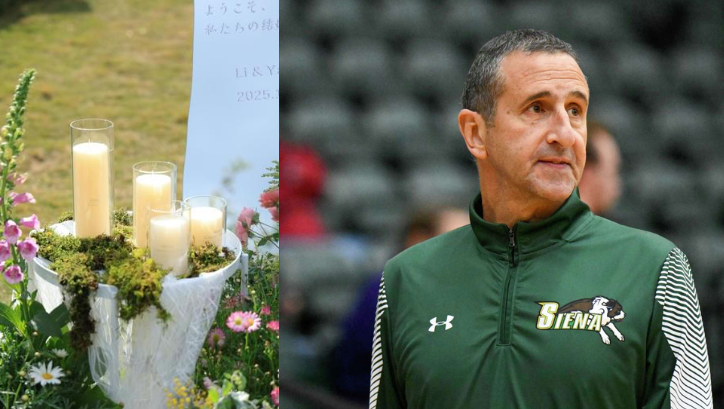
When news broke of Jim Jabir’s passing, it resonated far beyond the basketball courts he once commanded. More than a seasoned coach with hundreds of wins, Jabir represented a rare blend of competitive excellence and genuine humanity. His career, spanning over three decades, was not defined solely by statistics or tournament appearances, but by the relationships he built and the lives he shaped along the way.
At 63, after a two-year battle with pancreatic cancer, Jabir passed away at his home in Menlo Park, California. His story is not just one of professional achievement—it is also a story of resilience, mentorship, and an enduring commitment to people.
Profile Summary
| Field | Details |
|---|---|
| Full Name | Jim Jabir |
| Age | 63 |
| Nationality | American |
| Profession | College Basketball Coach |
| Known For | Women’s Basketball Coaching Career |
| Years Active | 1986 – 2024 |
| Marital Status | Married |
| Spouse | Angie Jabir |
| Children | Four |
| Cause of De@th | Pancreatic cancer |
Early Life and Background
Jim Jabir was born in Brooklyn, New York—a place known for its intensity, diversity, and resilience. Growing up in such an environment often instills a sense of determination, and for Jabir, that spirit would later define his approach to coaching.
Though not much has been widely publicized about his early childhood, it’s clear that basketball entered his life early. Like many young athletes from New York, the game was more than recreation—it was structure, identity, and opportunity. Over time, Jabir’s passion for basketball evolved into something deeper: a desire to teach and lead.
His early experiences likely shaped his empathetic coaching style. He understood players not just as athletes, but as individuals navigating challenges both on and off the court.
Education
While specific academic details are not widely documented, Jabir’s entry into collegiate coaching at a remarkably young age suggests a strong foundation in both education and basketball fundamentals.
By age 24, he had already stepped into a Division I head coaching role—an uncommon achievement that speaks volumes about his preparation, discipline, and understanding of the game.
Career Journey
Early Beginnings
Jim Jabir began his head coaching career at Buffalo State during the 1986–87 season. It was a brief stint, but it marked the beginning of a journey that would span 36 years.
Soon after, he took on a bigger challenge—leading the Siena women’s basketball program. At just 24 years old, Jabir became one of the youngest Division I head coaches in the country. His early success at Siena, including a strong win record and competitive performances, established him as a rising figure in women’s college basketball.
Building Programs Across the Country
Jabir’s career included head coaching roles at several institutions:
- Siena College (two separate stints)
- Marquette University
- Providence College
- University of Dayton
- Florida Atlantic University
At each stop, he brought a consistent philosophy: build trust, develop players holistically, and compete with integrity.
His tenure at Dayton was particularly notable. From 2003 to 2016, Jabir transformed the program into a competitive force. The highlight came in 2015, when he led the team to an Elite Eight appearance in the NCAA Tournament—a milestone that cemented his reputation as one of the game’s most capable coaches.
Achievements and Milestones
Over his career, Jabir amassed 561 victories, a testament to both longevity and effectiveness. His teams reached the NCAA Tournament eight times, consistently competing at a high level.
In 2013, he was named a finalist for the Naismith National Coach of the Year Award—recognition reserved for the most impactful figures in college basketball.
But numbers alone do not tell the full story.
Return to Siena and Final Chapter
In 2021, Jabir returned to Siena for a second stint, a move that carried emotional weight for both him and the program. It was a full-circle moment—returning to where his Division I journey began.
During his final seasons, he led the team to back-to-back conference semifinal appearances, revitalizing the program and leaving it stronger than he found it. Even as he battled illness, his commitment to coaching never wavered.
Coaching Style and Influence
Jim Jabir’s influence extended far beyond tactics and game plans. He was widely regarded as a player-first coach, someone who prioritized personal growth as much as athletic success.
Former players and colleagues often described him as:
- Compassionate
- Humble
- Deeply invested in people
He believed that success on the court should never come at the expense of character. This philosophy earned him respect across the basketball community.
Jabir also had a sharp basketball mind. His teams were known for discipline, adaptability, and resilience—qualities that mirrored his own personality.
Perhaps his greatest legacy lies in the countless players and assistants he mentored, many of whom carried his lessons into their own careers.
Personal Life
Away from basketball, Jim Jabir was a devoted family man. He is survived by his wife, Angie, and their four children: Shane, Lauren, Jackson, and Jude. He was also a proud grandfather to eight grandchildren.
Friends often spoke of his deep love for his family—a love that remained central even during the most demanding periods of his coaching career.
Despite the pressures of collegiate athletics, Jabir maintained close relationships with loved ones. His ability to balance professional ambition with personal connection was one of his most admirable traits.
Net Worth and Earnings
Jim Jabir’s net worth has not been publicly confirmed. However, his long career as a Division I head coach suggests that his primary earnings came from coaching contracts, program leadership roles, and related professional engagements.
Rather than financial success, Jabir’s legacy is more meaningfully measured in the lives he influenced and the programs he strengthened.
Legacy and Final Reflections
Jim Jabir’s passing marks the end of an era, but his influence will endure. In a profession often defined by wins and losses, he stood out for something more enduring—his humanity.
He proved that leadership is not about authority, but about connection. That success is not just measured in championships, but in the growth of the people around you.
His journey—from a young coach in New York to a respected figure in national basketball—offers a powerful reminder of what can be achieved with passion, integrity, and empathy.
As tributes continue to pour in, one message remains consistent: Jim Jabir was not just a great coach—he was a remarkable person.
FAQs
1. Who was Jim Jabir?
Jim Jabir was an American women’s college basketball coach with a 36-year career, known for his leadership and player-focused approach.
2. What was Jim Jabir’s cause of de@th?
He passed away after a two-year battle with pancreatic cancer.
3. How many games did Jim Jabir win in his career?
He recorded 561 career victories across multiple college programs.
4. Which teams did Jim Jabir coach?
He coached at Siena, Marquette, Providence, Dayton, Florida Atlantic, and Buffalo State.
5. Was Jim Jabir recognized nationally?
Yes, he was a finalist for the 2013 Naismith National Coach of the Year Award.
Conclusion
Jim Jabir’s life cannot be reduced to a record book. His story is about perseverance, mentorship, and the quiet strength of leading with kindness. While his achievements in basketball are significant, it is the respect he earned and the lives he touched that define his true legacy.
In the end, Jim Jabir leaves behind more than a career—he leaves behind a standard for what it means to lead with purpose.